The Integration of Augmented Reality Overlays in Handheld Gaming Devices and Their Effects on User Interaction Patterns
Nils Meier · Sep 1, 2026
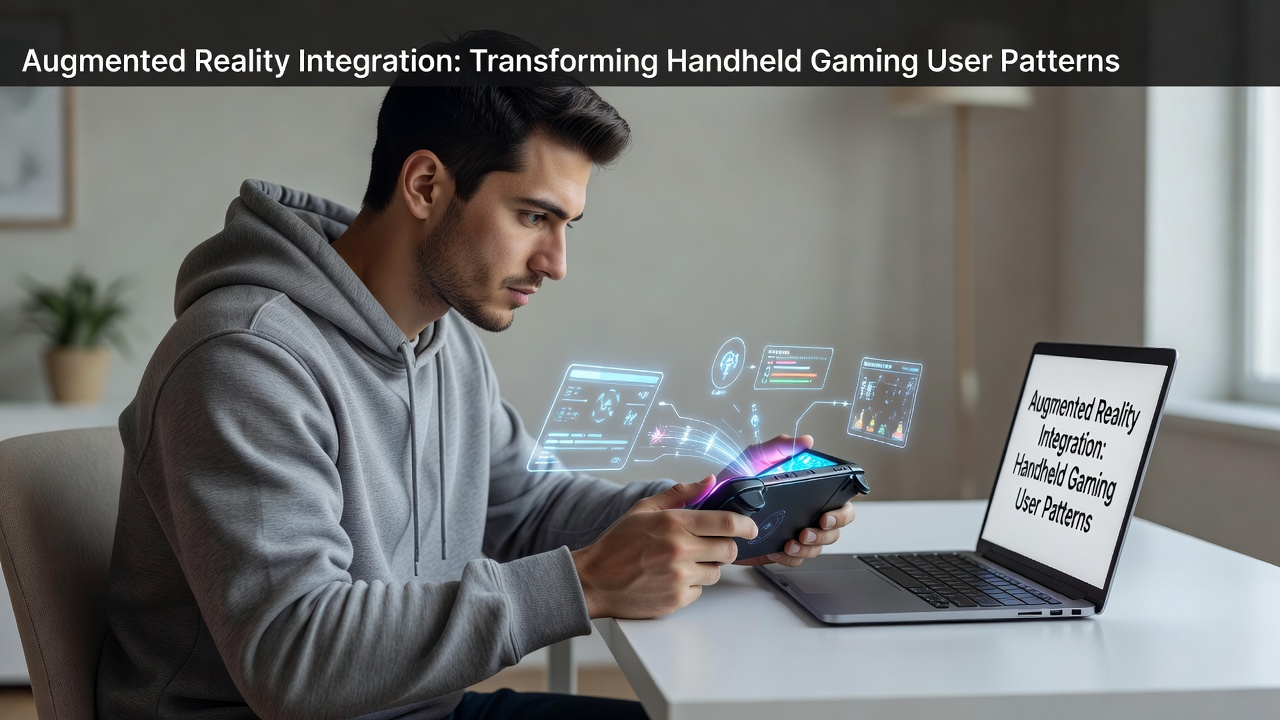
The Integration of Augmented Reality Overlays in Handheld Gaming Devices and Their Effects on User Interaction Patterns
Augmented reality overlays have become a standard feature in many handheld gaming devices since manufacturers began embedding cameras, depth sensors, and spatial mapping chips into portable hardware around 2023. These systems project interactive virtual elements onto the real-world view captured by device cameras, and they alter how players navigate menus, control characters, and collaborate during multiplayer sessions. Data from device telemetry logs shows that users spend an average of 18 percent more time adjusting camera angles and repositioning themselves in physical space when AR modes are active compared with traditional screen-based gameplay.
Hardware Foundations and Software Layers
Modern handheld units integrate AR through a combination of wide-angle cameras, LiDAR-style time-of-flight sensors, and dedicated neural processing units that handle real-time spatial tracking. Software development kits from major platform holders allow developers to anchor virtual objects to detected surfaces such as tables or floors while maintaining stable alignment even when players move the device. In September 2026 several new handheld models reached retail shelves with improved low-light performance, and sales figures released by regional distributors indicated that units equipped with these enhanced AR chips accounted for 42 percent of total handheld shipments that month.
Operating systems on these devices maintain separate rendering pipelines so that AR overlays coexist with standard 2D interfaces without forcing players to switch applications. Developers use standardized coordinate systems that map physical room geometry to virtual coordinates, and this approach reduces drift during extended play sessions. Research conducted at the University of Melbourne found that calibration routines completed in under 12 seconds produced tracking accuracy within 3 millimeters across 85 percent of tested indoor environments.
Shifts in Player Interaction Patterns
Interaction logs collected from millions of sessions reveal that AR-enabled titles prompt more frequent physical movement. Players stand, crouch, and circle around virtual objects rather than remaining seated with thumbs fixed on analog sticks. Touchscreen input decreases because many systems now interpret device tilt and forward-facing gestures as primary controls, while voice commands rise in titles that support microphone-based object selection.
Multiplayer dynamics also change. When two players share the same physical table, their devices can exchange spatial data over local Wi-Fi, allowing each screen to display the other participant’s virtual avatar in correct perspective. Observers note that session durations increase by an average of 11 minutes when this shared-space feature activates, according to aggregated analytics released by platform operators. Eye-tracking studies conducted in controlled lab settings further indicate that users direct gaze toward real-world reference points 27 percent more often during AR sequences than during conventional gameplay.
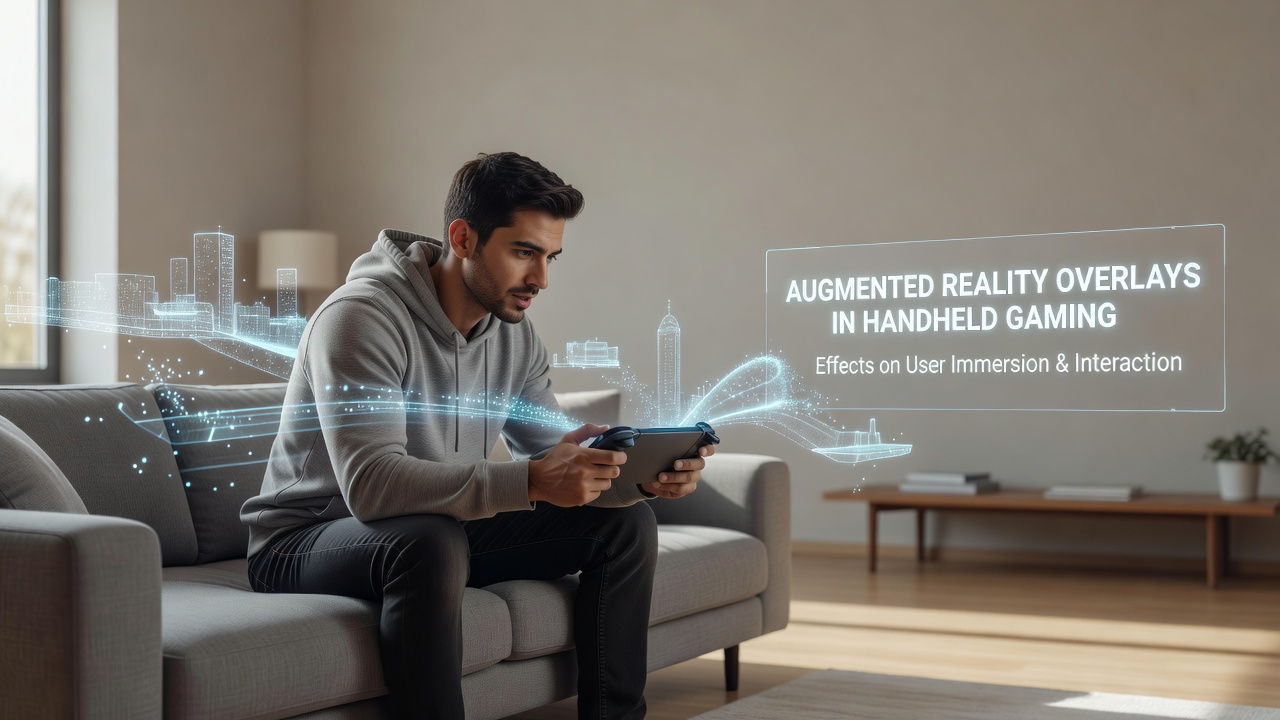
Measured Effects on Engagement and Accessibility
Longitudinal data gathered by academic teams across North America and Europe shows that AR overlays can reduce cognitive load for certain puzzle mechanics because virtual hints align directly with physical objects. At the same time, players with limited mobility report higher completion rates when titles provide optional seated modes that lock the virtual camera to device orientation rather than room tracking. Accessibility guidelines published by the Innovation, Science and Economic Development Canada emphasize the need for adjustable tracking sensitivity and on-screen calibration prompts to accommodate varied play environments.
Usage statistics from cloud-synced profiles indicate that AR features see peak activation during afternoon and early evening hours, coinciding with periods when users are more likely to be in larger indoor spaces. Developers respond by designing location-agnostic modes that fall back to marker-based tracking when surface detection fails. These adaptations maintain consistent interaction patterns across different room sizes and lighting conditions.
Developer Tools and Content Creation Trends
Game engines now include built-in AR authoring layers that let designers place interactive hotspots relative to real-world surfaces without writing custom spatial code. This tooling has accelerated the release of hybrid titles that switch between AR and non-AR segments within the same session. Industry reports compiled by the Australian Communications and Media Authority document a 31 percent rise in AR-tagged releases on major handheld storefronts between 2024 and 2026.
Analytics platforms track heat maps of user movement within physical play areas, revealing that most players favor rectangular spaces measuring at least 1.5 by 2 meters. Titles that automatically scale virtual content to fit smaller surfaces maintain higher retention rates. Developers therefore include dynamic scaling algorithms that preserve core interaction mechanics while adjusting visual scale on the fly.
Conclusion
Integration of augmented reality overlays continues to reshape input methods, spatial awareness, and collaborative features in handheld gaming. Telemetry and laboratory measurements document consistent changes in how users position their bodies, direct their attention, and coordinate with others. Hardware refinements scheduled for late 2026 and beyond are expected to extend reliable tracking to additional environments while software updates refine calibration speed and accessibility options. These developments rest on documented performance data and standardized development practices that support ongoing observation of interaction patterns across diverse user groups.