Sensor Fusion Algorithms Refine Eye Tracking Integration with Motion Controls for Precision Gains in Virtual Reality Tournament Play
Nils Meier · Oct 27, 2026
Sensor Fusion Algorithms Refine Eye Tracking Integration with Motion Controls for Precision Gains in Virtual Reality Tournament Play
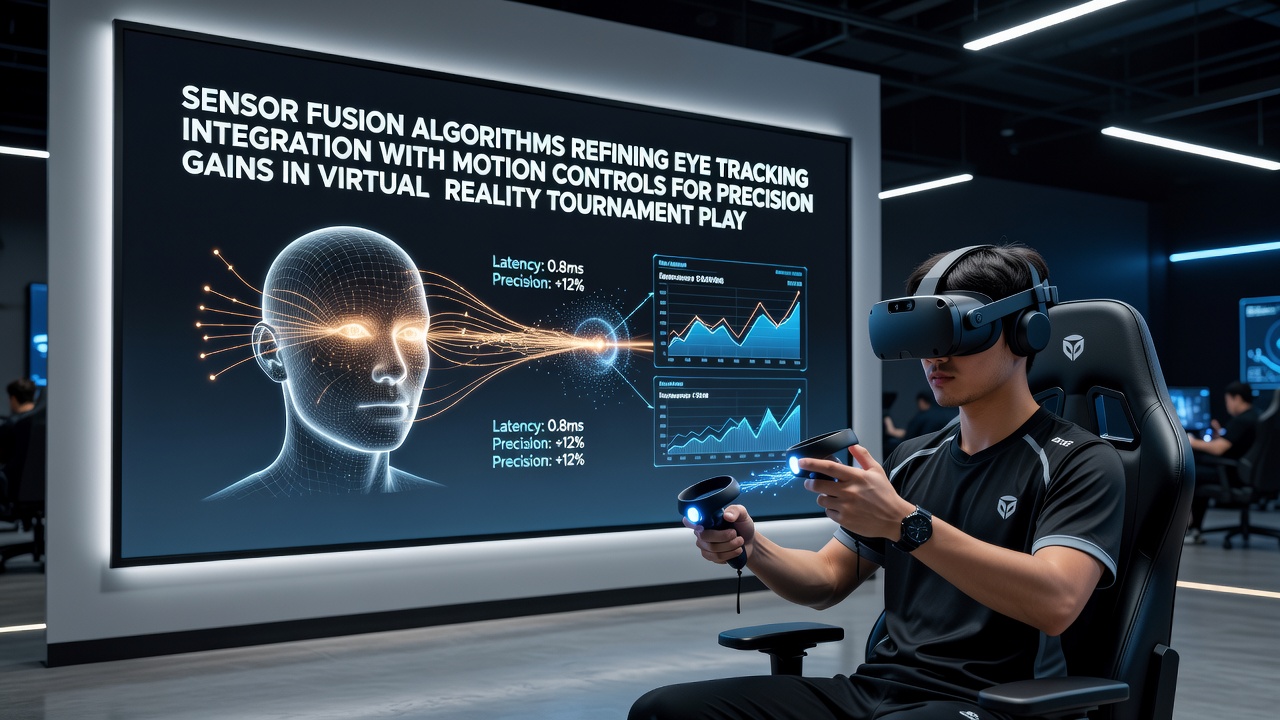
Engineers have developed sensor fusion algorithms that combine data streams from eye tracking systems and motion control devices to enhance accuracy during virtual reality tournament competitions. These systems process inputs from multiple sensors simultaneously and produce refined position estimates that reduce latency and improve targeting consistency in competitive scenarios.
Core Components of Sensor Fusion in VR Environments
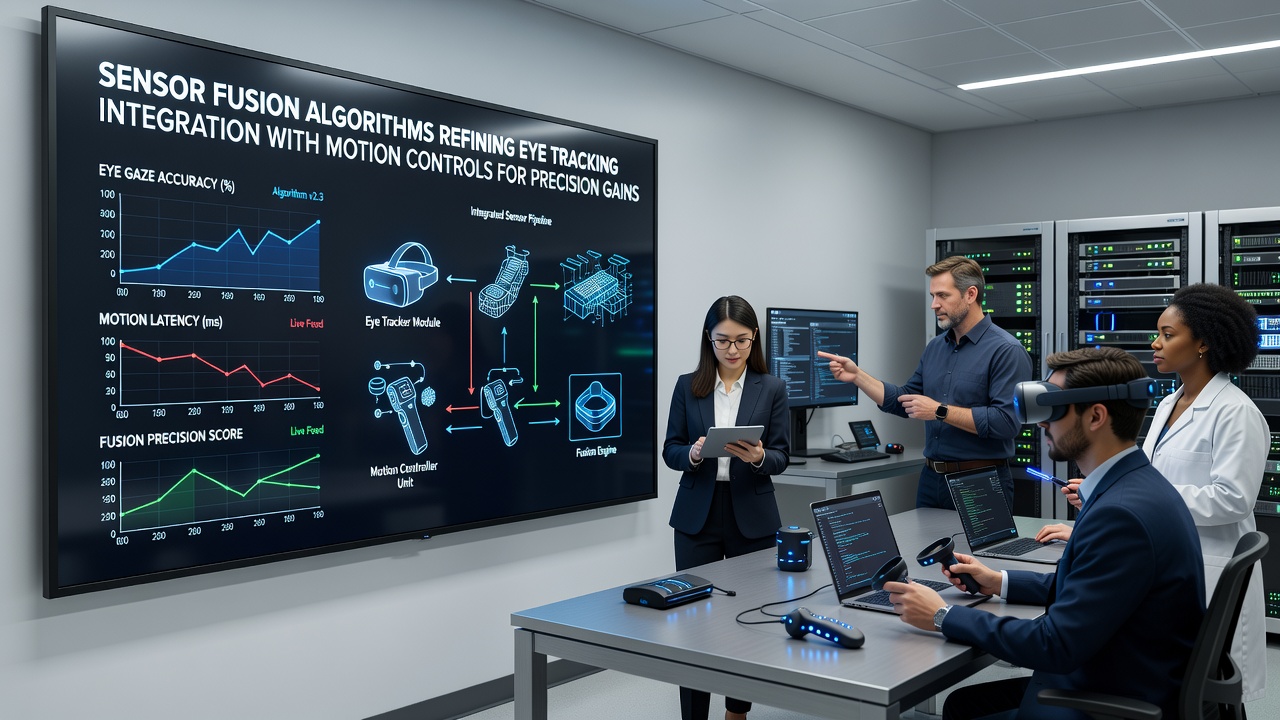
Researchers apply techniques such as Kalman filtering and complementary algorithms to merge eye gaze vectors with inertial measurement unit outputs from handheld controllers. Data indicates that this integration allows systems to predict user intent with greater reliability than either sensor type operating alone. Studies from academic institutions show error rates dropping by measurable percentages when fusion occurs at rates exceeding 1000 hertz.
Observers note that eye tracking hardware captures pupil position and corneal reflection at high frequencies while motion controls supply acceleration and angular velocity readings. Fusion algorithms reconcile discrepancies between these streams through weighted averaging that accounts for sensor noise characteristics documented in laboratory tests.
Integration Challenges and Algorithmic Solutions
Hardware manufacturers face calibration drift and environmental interference when deploying combined systems in tournament venues. Teams address these issues with online calibration routines that update sensor biases during active play without interrupting matches. Evidence from field deployments reveals that such routines maintain alignment across sessions lasting several hours.
Processing pipelines run on dedicated hardware accelerators embedded in headsets and base stations. These components execute matrix operations required for state estimation while drawing power within limits set by portable esports equipment standards. Figures from equipment certifications confirm sustained performance under continuous load conditions typical of multi-day events.
Performance Outcomes in Competitive Settings
Tournament organizers have recorded improvements in hit registration accuracy when participants use fused sensor setups compared with standalone configurations. One study revealed that competitors achieved tighter grouping on virtual targets after algorithms compensated for head movement artifacts that previously affected gaze-based aiming. Data collected during October 2026 qualification rounds documented consistent gains across multiple game titles.
Industry reports highlight reduced fatigue among players because corrections happen automatically rather than requiring manual adjustments mid-match. Motion control lag compensation works alongside eye data to smooth trajectories and prevent overshoot during rapid directional changes common in fast-paced tournament formats.
Current Implementations and Research Directions
Developers at several studios incorporate these fusion methods into training modules used by professional teams preparing for major events. According to documentation released by the Entertainment Software Association, adoption rates have risen steadily as hardware costs decrease and software toolkits become more accessible to smaller organizations.
Academic groups continue to explore adaptive weighting schemes that adjust fusion parameters based on user-specific movement patterns observed during extended play. Research indicates potential extensions to multi-player synchronization where shared virtual spaces require precise alignment of individual sensor outputs across network connections.
Conclusion
Sensor fusion approaches continue to evolve through iterative testing in both laboratory and live tournament conditions. Current implementations demonstrate measurable precision benefits when eye tracking and motion control data streams operate under unified algorithmic control. Ongoing work focuses on further reductions in computational overhead and expanded compatibility with emerging headset models expected in subsequent hardware cycles.